

Last week, the Trump administration made headlines by pledging to ban gender-affirming care for transgender youth through a rulemaking process—sidestepping Congress and the legislative process entirely. The proposed rule, RIN 0938-AV87, would bar any hospital system that participates in Medicaid or Medicare from offering gender-affirming care to transgender youth, regardless of whether that care is paid for with federal funds or privately. If enacted, it would represent the most sweeping executive overreach yet by the administration in its campaign against transgender people, and appears to be advancing precisely because similar measures—though passed by the U.S. House—face steep odds in the Senate. Now, in response, the American Civil Liberties Union has pledged to take the administration to court if the rule is finalized, vowing to challenge its implementation.
“These gratuitous proposals are cruel and unconstitutional attacks on the rights of transgender youth and their families,” said Chase Strangio, Co-Director of the ACLU’s LGBTQ & HIV Rights Project. “By attempting to strip away essential healthcare, the administration is not 'protecting' anyone; it is weaponizing the federal government to target a vulnerable population for political gain. Healthcare decisions belong to families and their doctors, not politicians. The latest proposals from the administration would force doctors to choose between their ethical obligations to their patients and the threat of losing federal funding. It would uproot families who have already fled state-level bans, leaving them with nowhere to turn for the care they need to survive and thrive.”
“We have seen the devastating consequences of similar policies at the state level, and we have fought them every step of the way. Let us be clear: If this administration moves forward with this attempt to enact a national ban on our medical care through coercion, the ACLU will see them in court. We will not rest until the rights of transgender youth to live authentically and access the care they need are fully protected,” said the ACLU in a press release in the aftermath of the rule proposal.
The new rule is vast in scope. It contains no exceptions for patients already receiving care, meaning transgender youth who have remained in treatment—even in some states with existing bans that carved out limited exceptions—would see that care abruptly cut off. According to the administration’s own estimates, most transgender youth receive care through hospital-based systems, and the rule would result in roughly 87 percent of transgender youth losing access to treatment. The proposal also introduces new definitions of sex designed to exclude transgender people and explicitly attempts to preempt state shield laws that were enacted to protect access to gender-affirming care for residents in those states.
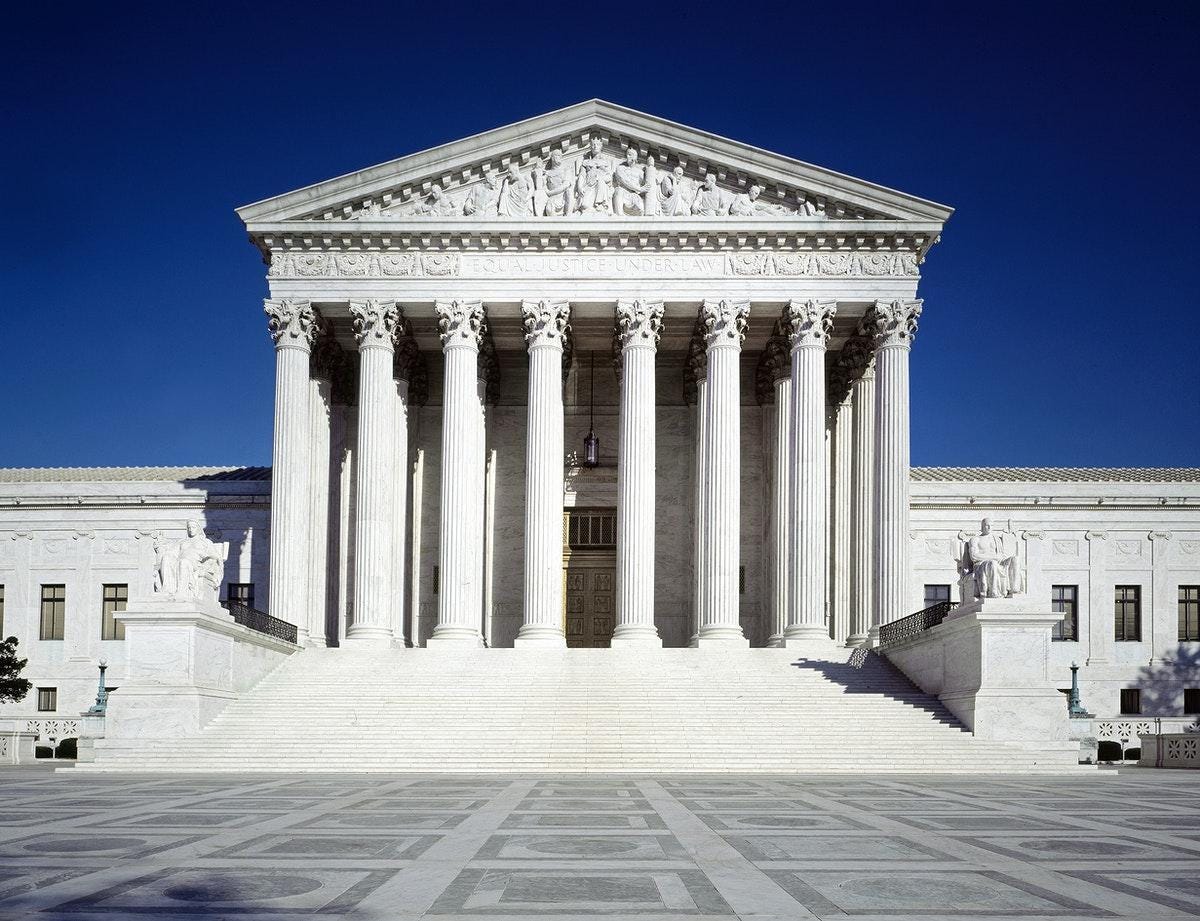
The ACLU has multiple grounds on which to challenge the rule. For instance, Section 1801 of the Social Security Act explicitly bars the federal government from using Medicaid to “exercise any supervision or control over the practice of medicine.” To sidestep that prohibition, the administration has asserted that gender-affirming care does not constitute the practice of medicine at all. Even after the Supreme Court’s recent Skrmetti decision, which allowed states to ban gender-affirming care for transgender youth, it will be difficult for the federal government to argue that it can impose a nationwide ban in direct contradiction of a statute that expressly forbids it from doing so. Nevertheless, several federal circuits have shown a willingness to stretch legal interpretations to accommodate nearly any theory advanced by the Trump administration, no matter how tenuous, and the Supreme Court has repeatedly used its shadow docket to swiftly overturn rulings that stand in the administration’s way.
In the meantime, parents, families, and allies are not powerless. The Trans Youth Emergency Project has confirmed it has the capacity to connect transgender youth who may be cut off from hospital-based care with private doctors who are less vulnerable to these incoming regulations. That work may prove lifesaving if the administration follows through. At the same time, the public comment period matters. Every comment forces the administration to justify its actions on the record, slowing the process and strengthening the case against it in court. The strongest comments are specific, grounded in facts or lived experience, make good arguments, and make clear the real harm this rule would cause. The window to act is now. Over the next 60 days, this rule can still be challenged, delayed, and fought—if people show up and refuse to let it move forward quietly.
You can leave a public comment here. Note that public comments are just that—public—and so take steps to protect your anonymity if it is something that matters to you.
I know we face daunting hurdles, but the ACLU gives me hope that we are, at the very lease, fighting back. Very grateful for that institution and similar entities who are challenging tyranny head on.
"the Supreme Court has repeatedly used its shadow docket to swiftly overturn rulings that stand in the administration’s way."
This is why I don't hold my breath on lawsuits against this administration when it has the Supreme Court in its pocket.